Recognizing Signs of Abuse and Neglect in Nursing Homes
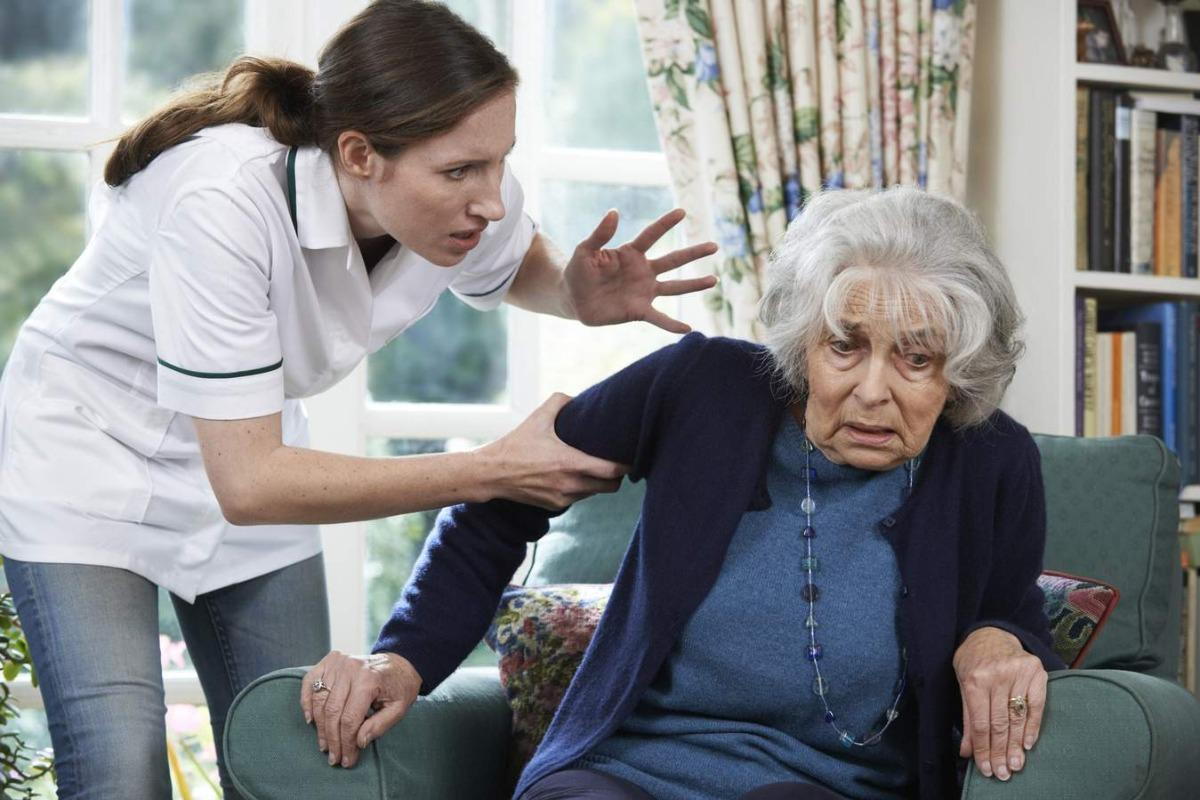
Recognizing Signs of Abuse and Neglect in Nursing Homes
- posted: May 30, 2024
- Nursing Home injury
Nursing homes should be havens of care and comfort for our senior citizens. Unfortunately, the reality can sometimes fall short. Abuse and neglect can manifest in various forms, leaving residents vulnerable and in distress. It's important to be aware of the red flags that might signal mistreatment, so that we can take action to intervene and protect our loved ones.
The following are common indications of nursing home abuse, neglect or mistreatment:
Physical signs — Unexplained injuries or accidents of unknown origin are a major cause for concern. Broken bones, bruises, swelling and lacerations can all be indicators of physical abuse or neglect. Look for signs of restraint, such as marks on wrists or ankles. Dehydration and malnutrition, often accompanied by unexplained weight loss, may suggest neglect in terms of providing adequate feeding and hydration.
Behavioral and emotional signs — A sudden change in behavior can be a cry for help. If your loved one seems withdrawn, fearful or hesitant to talk freely, it's important to investigate further. Unexplained anxiety, depression, or social isolation could be signs of emotional abuse. Fabricated stories about injuries or a refusal to be left alone with certain staff members are also red flags.
Signs of neglect — The overall environment of the facility can also offer clues. Unsanitary conditions, with residents left in soiled diapers or clothing or unbathed, are indications of neglectful care. Bedsores, a consequence of not turning and repositioning patients at regularly scheduled intervals, and/or leaving them seated in a wheelchair for prolonged periods of time, are also serious indicators of neglectful care.
Neglecting medication management or overmedicating — Improper medication prescription and administration can have severe consequences for residents. If you notice a loved one failing to take their prescribed medications, or if they seem confused about their medication schedule, it's important to raise the issue with the nursing home staff. Additionally, if you notice that a loved one seems lethargic or has a change in mental status, this can be an indication that they have been prescribed a contraindicated medication or have been overmedicated. It's important to also raise this issue with the nursing home staff.
Staff behavior — The observable conduct of caregivers can also be a red flag. Disrespectful or dismissive attitudes towards residents, a lack of responsiveness to their needs and/or requests for assistance or using harsh language are all signs of a potentially abusive or neglectful environment. Additionally, understaffing can lead to neglect, as caregivers struggle to meet the needs of all residents adequately.
If you notice any of these signs of abuse or neglect during your visits, don't hesitate to speak up. Report your concerns to the nursing home administration and document everything you observe. Local authorities or adult protective services should also be notified.
An experienced nursing home injury attorney can be a powerful advocate for your loved one. They can investigate the situation, gather evidence of abuse or neglect and pursue legal action against the facility if necessary.
The attorneys of Rich & Rich, P.C. in midtown Manhattan fight tirelessly and strategically on behalf of New York metropolitan area nursing home residents victimized by abuse and neglect. To schedule a meeting with one of our attorneys, call 917-746-3358 or contact us online.
Recognizing Signs of Abuse and Neglect in Nursing Homes
- posted: May 30, 2024
- Nursing Home injury
Nursing homes should be havens of care and comfort for our senior citizens. Unfortunately, the reality can sometimes fall short. Abuse and neglect can manifest in various forms, leaving residents vulnerable and in distress. It's important to be aware of the red flags that might signal mistreatment, so that we can take action to intervene and protect our loved ones.
The following are common indications of nursing home abuse, neglect or mistreatment:
Physical signs — Unexplained injuries or accidents of unknown origin are a major cause for concern. Broken bones, bruises, swelling and lacerations can all be indicators of physical abuse or neglect. Look for signs of restraint, such as marks on wrists or ankles. Dehydration and malnutrition, often accompanied by unexplained weight loss, may suggest neglect in terms of providing adequate feeding and hydration.
Behavioral and emotional signs — A sudden change in behavior can be a cry for help. If your loved one seems withdrawn, fearful or hesitant to talk freely, it's important to investigate further. Unexplained anxiety, depression, or social isolation could be signs of emotional abuse. Fabricated stories about injuries or a refusal to be left alone with certain staff members are also red flags.
Signs of neglect — The overall environment of the facility can also offer clues. Unsanitary conditions, with residents left in soiled diapers or clothing or unbathed, are indications of neglectful care. Bedsores, a consequence of not turning and repositioning patients at regularly scheduled intervals, and/or leaving them seated in a wheelchair for prolonged periods of time, are also serious indicators of neglectful care.
Neglecting medication management or overmedicating — Improper medication prescription and administration can have severe consequences for residents. If you notice a loved one failing to take their prescribed medications, or if they seem confused about their medication schedule, it's important to raise the issue with the nursing home staff. Additionally, if you notice that a loved one seems lethargic or has a change in mental status, this can be an indication that they have been prescribed a contraindicated medication or have been overmedicated. It's important to also raise this issue with the nursing home staff.
Staff behavior — The observable conduct of caregivers can also be a red flag. Disrespectful or dismissive attitudes towards residents, a lack of responsiveness to their needs and/or requests for assistance or using harsh language are all signs of a potentially abusive or neglectful environment. Additionally, understaffing can lead to neglect, as caregivers struggle to meet the needs of all residents adequately.
If you notice any of these signs of abuse or neglect during your visits, don't hesitate to speak up. Report your concerns to the nursing home administration and document everything you observe. Local authorities or adult protective services should also be notified.
An experienced nursing home injury attorney can be a powerful advocate for your loved one. They can investigate the situation, gather evidence of abuse or neglect and pursue legal action against the facility if necessary.
The attorneys of Rich & Rich, P.C. in midtown Manhattan fight tirelessly and strategically on behalf of New York metropolitan area nursing home residents victimized by abuse and neglect. To schedule a meeting with one of our attorneys, call 917-746-3358 or contact us online.
Contact the Firm
New York City Office
1430 Broadway,
Suite 1802,
New York, New York 10018
Roslyn Heights Office
277 Willis Avenue,
1st Floor,
Roslyn Heights, New York 11577

